

Types of Animals by Food
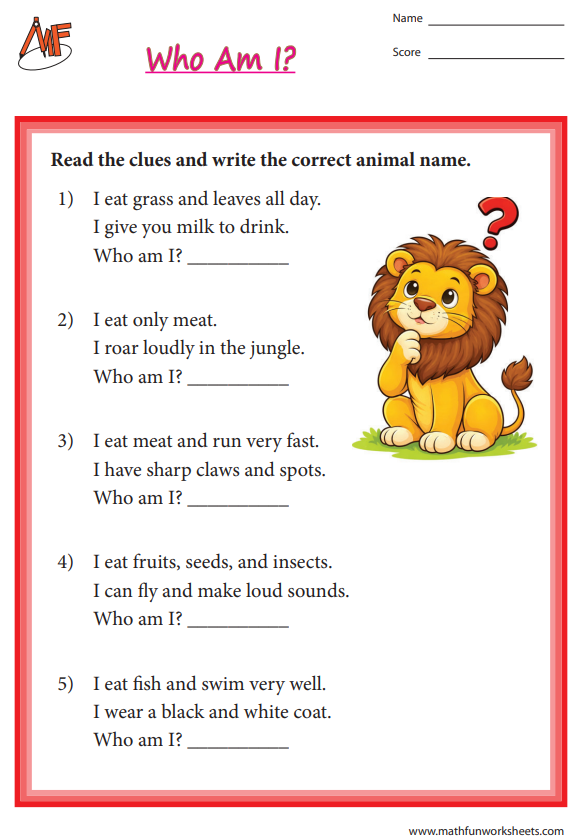
Home Kids Corner Types of Animals By Food Types of Animals Based on Food Habits – Worksheets for Kids Animals are classified into different types based on the kind of food they eat. This classification helps us understand their eating habits, body features, and role in nature. Based on food habits, animals are mainly divided into herbivores, carnivores, and omnivores. Herbivores Herbivores are animals that eat only plants and plant products. Their food includes grass, leaves, fruits, vegetables, and seeds. These animals usually have flat teeth that help them chew plants easily. Herbivores play an important role in nature by controlling plant growth.Examples of herbivores include cow, deer, goat, elephant, and rabbit. Carnivores Carnivores are animals that eat the flesh of other animals. They are strong and have sharp teeth and claws to hunt and tear meat. Carnivores help maintain balance in nature by controlling the population of other animals.Examples of carnivores include lion, tiger, leopard, wolf, and eagle. Omnivores Omnivores are animals that eat both plants and animals. Because they eat different kinds of food, they can easily survive in many environments. Omnivores have both sharp and flat teeth to eat meat and plants.Examples of omnivores include humans, bear, dog, crow, and monkey. Importance of Animal Food Classification Classifying animals based on food habits helps students understand ecosystems better. It also makes learning science easier by grouping animals with similar eating patterns. This topic is commonly taught in early grades to build basic science knowledge. Animal Food Types: Herbivores, Carnivores and Omnivores Understanding the types of animals based on their food habits helps children learn about nature, ecosystems, and the role of each animal. Herbivores eat plants, carnivores eat meat, and omnivores eat both. Using worksheets to practice identifying these animals makes learning fun and interactive. Explore the worksheets to test your knowledge and become an animal food expert! After learning how animals are grouped by their food habits, children can explore Classifying Animals Worksheets to learn how animals are grouped by their characteristics. They can also practice Animal Habitats Worksheets to discover where different animals live. Related Worksheets ➜ Parts of the body ➜ Sense Organs ➜ Animals and their Homes ➜ Animals and their Babies ➜ Animal Habitats ➜ Classifying Animals ➜ Types of Animals by Food ➜ Life Science Printable Charts ➜ Living Things Worksheets ➜ Earth and Space Science ➜ Physical Science ➜ Day and Night Worksheets ➜ Weather and Seasons Frequently Asked Questions 1. What are the three types of animals based on food? Herbivores, carnivores, and omnivores. 2. What are herbivores? Herbivores are animals that eat plants. 3. What are carnivores? Carnivores are animals that eat other animals. 4. What are omnivores? Omnivores are animals that eat both plants and animals. 5. What do children learn from these worksheets? Children learn to identify and classify animals by their food habits.